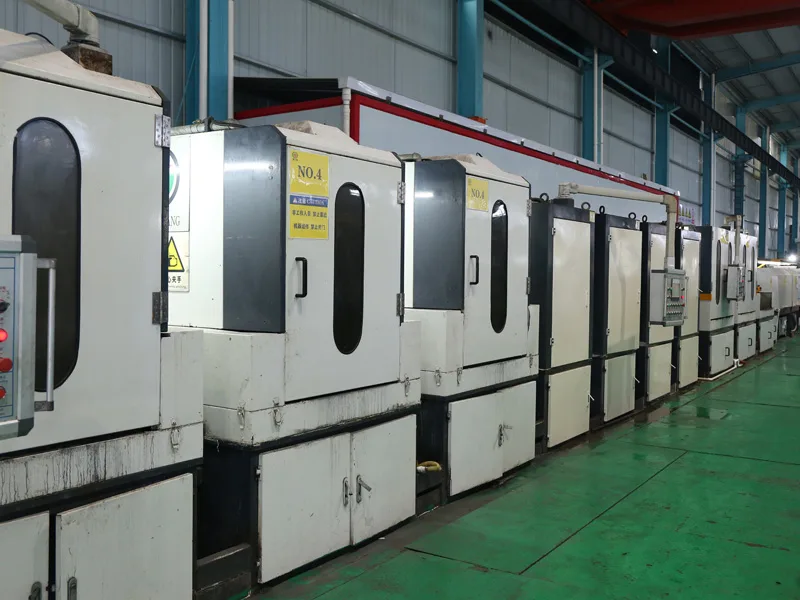
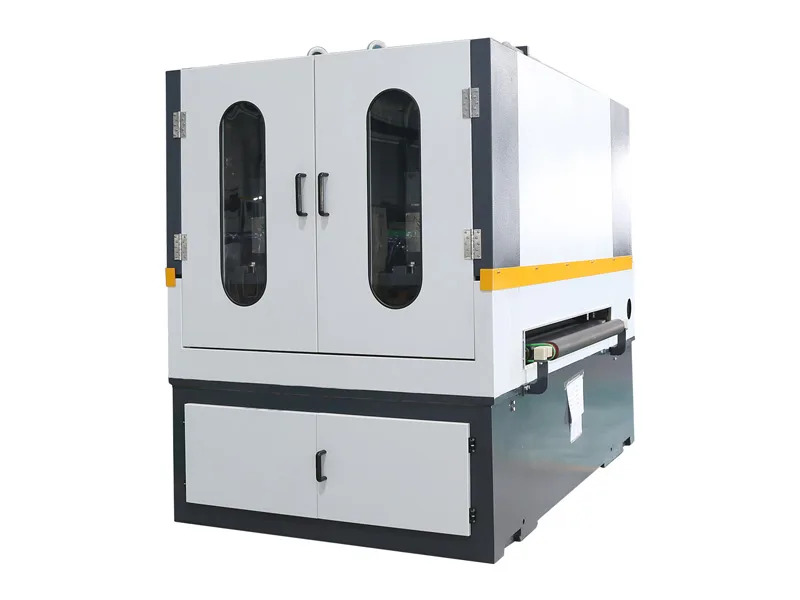
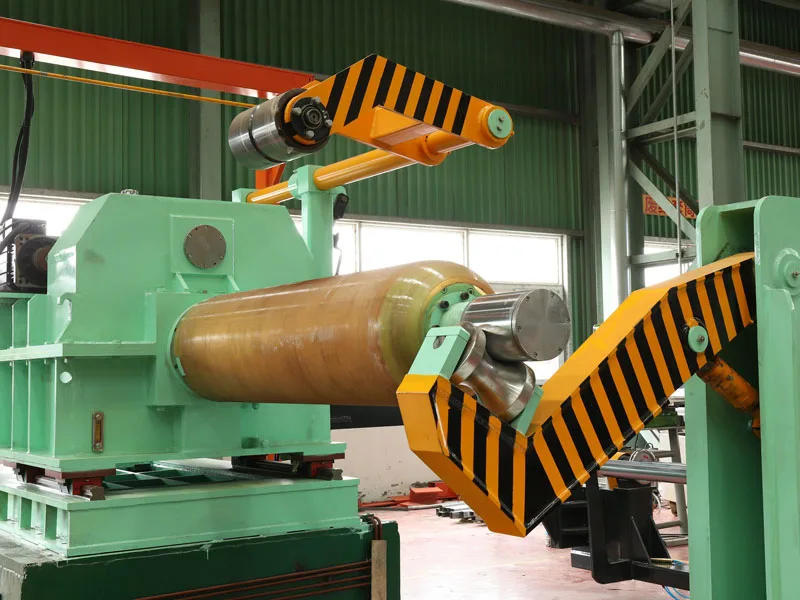
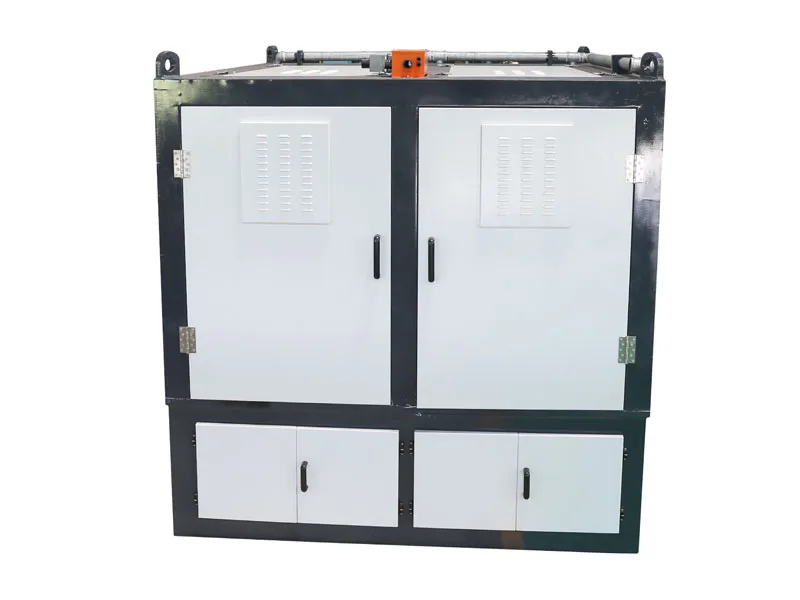
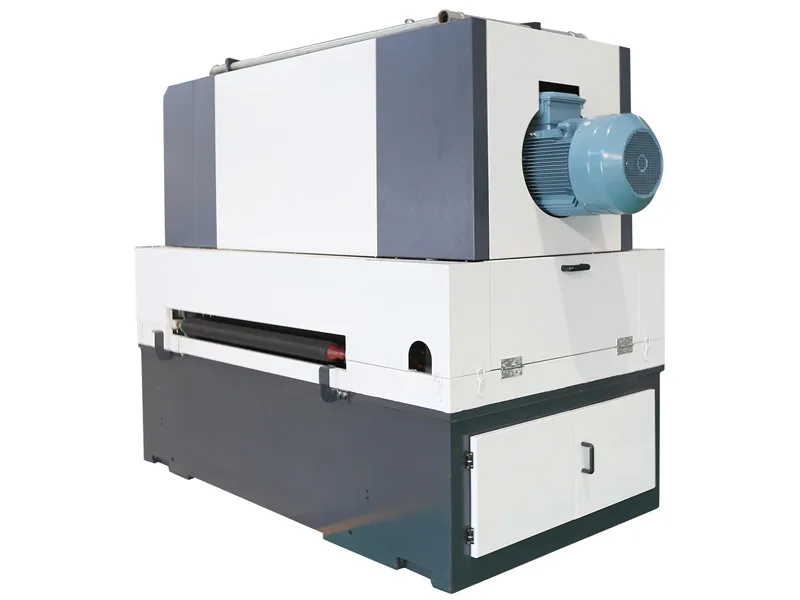
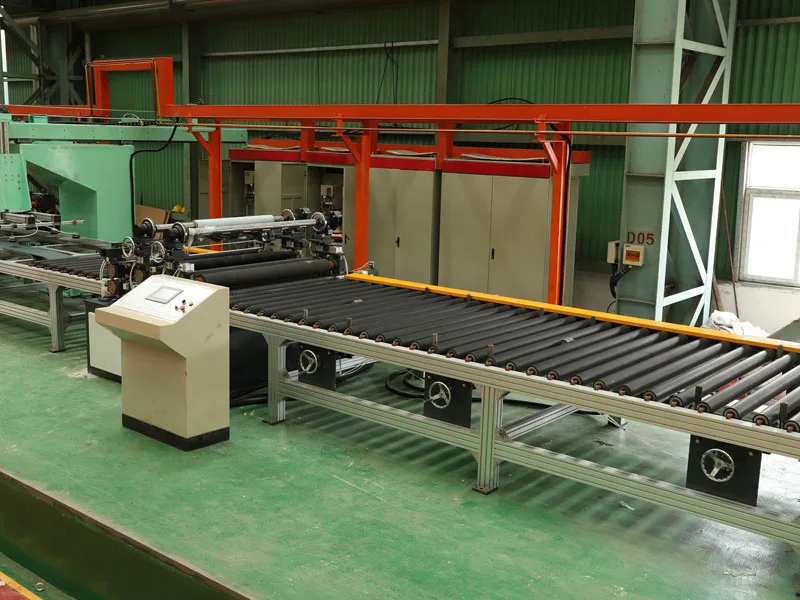
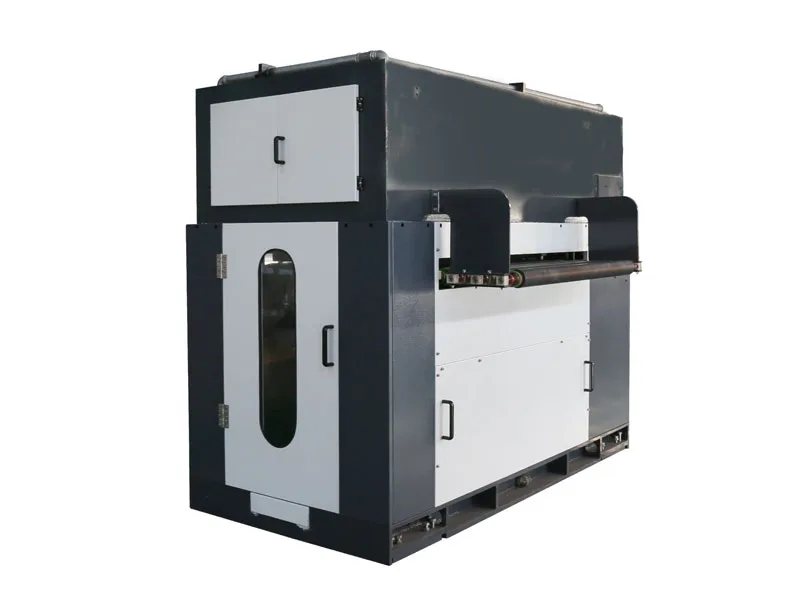
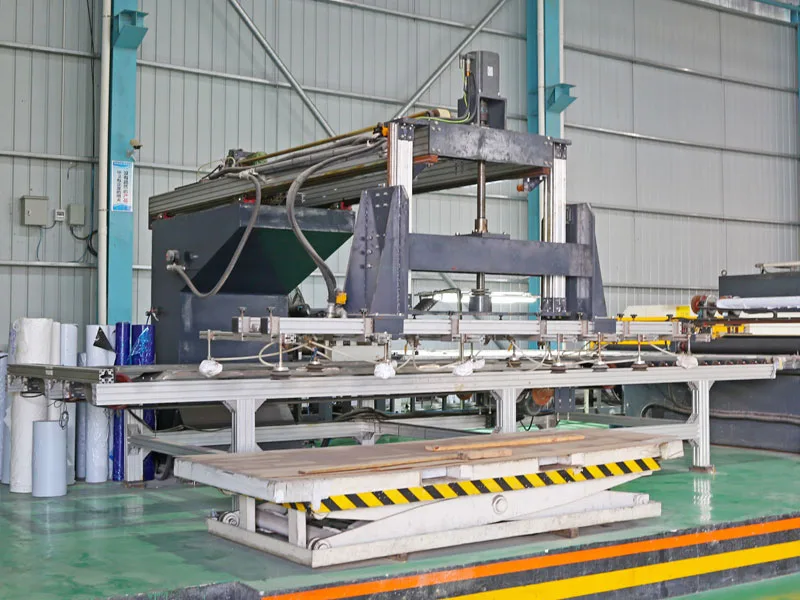
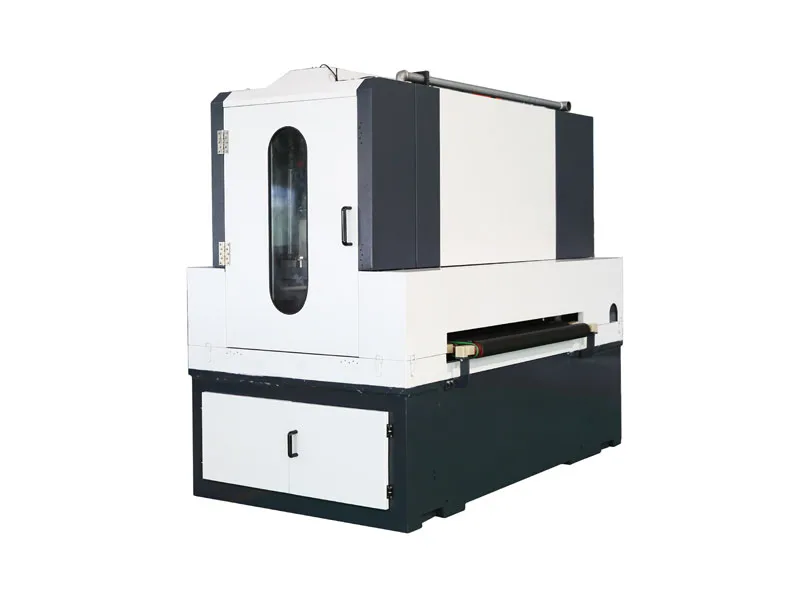
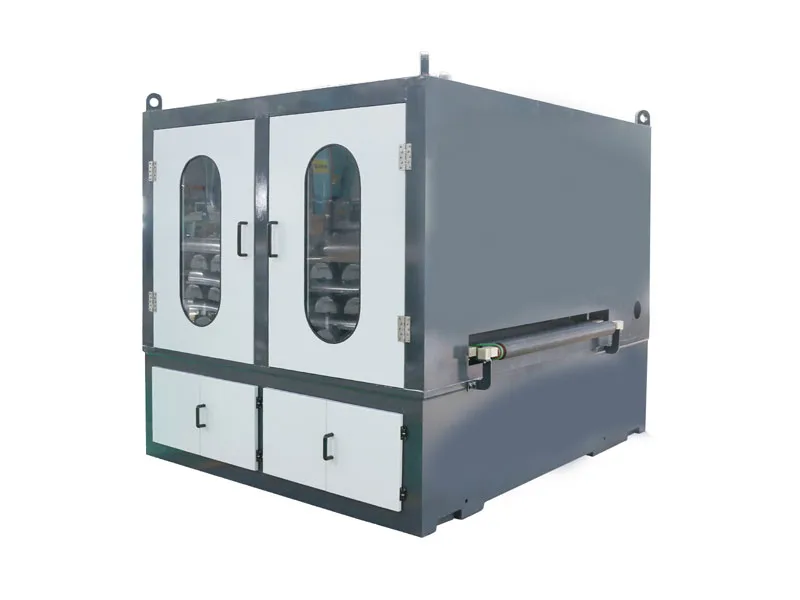
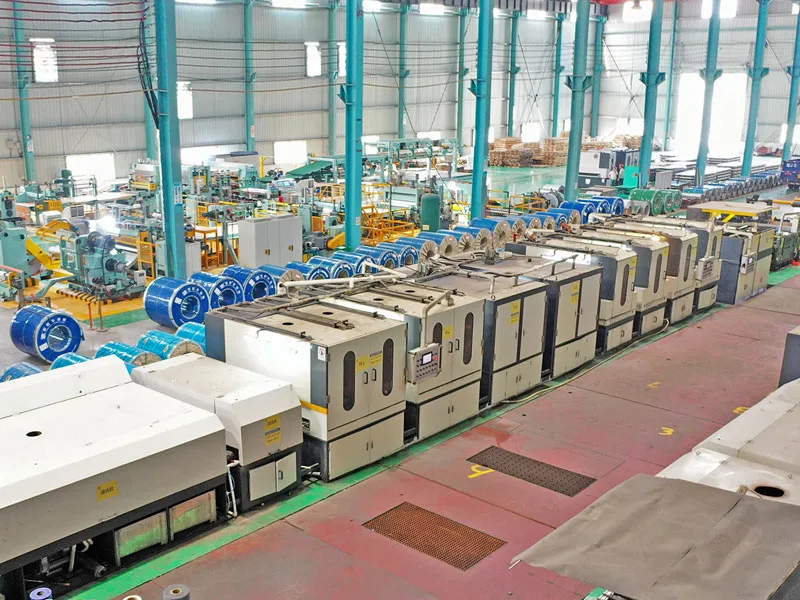
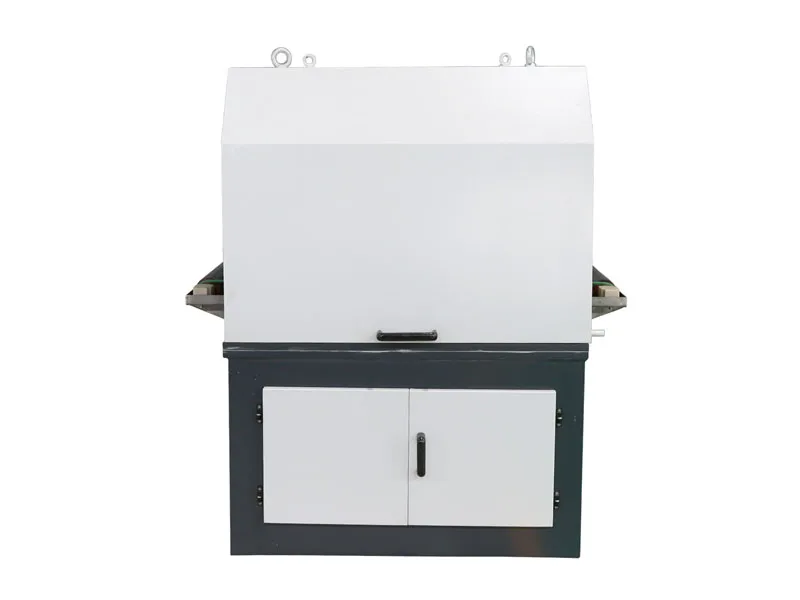
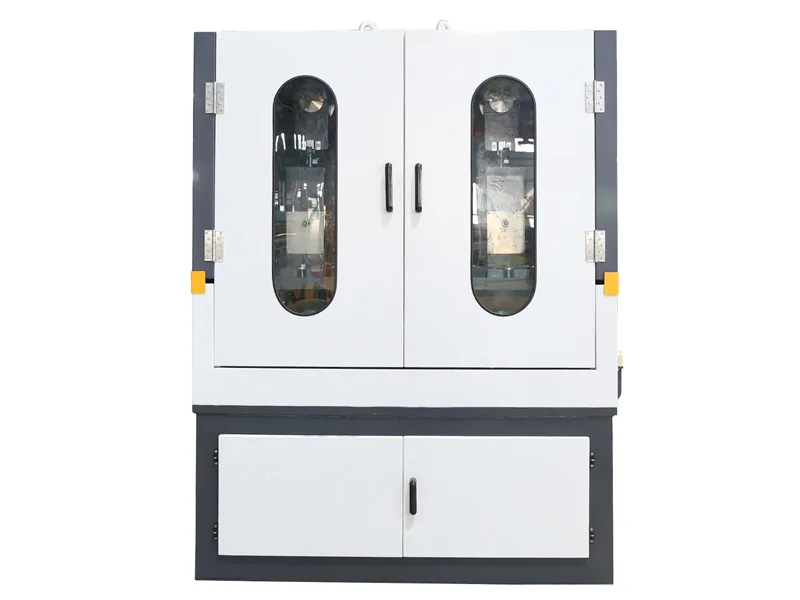
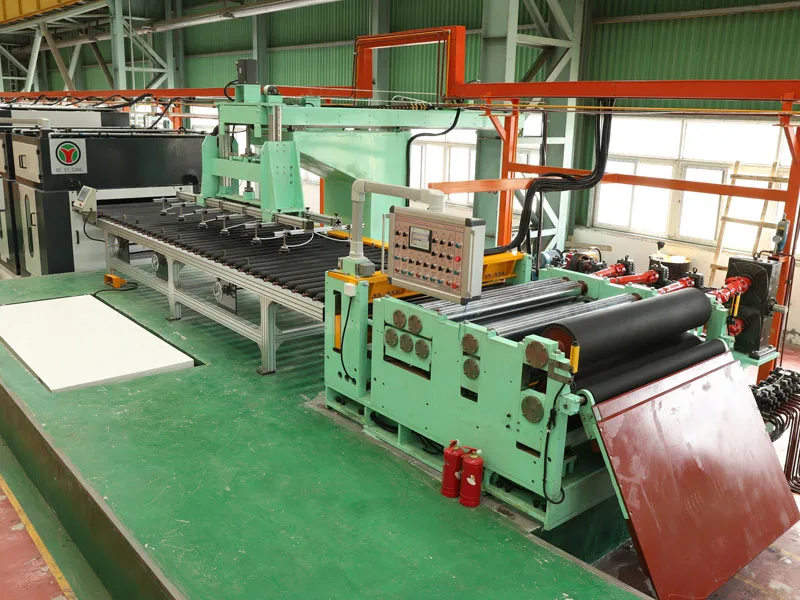
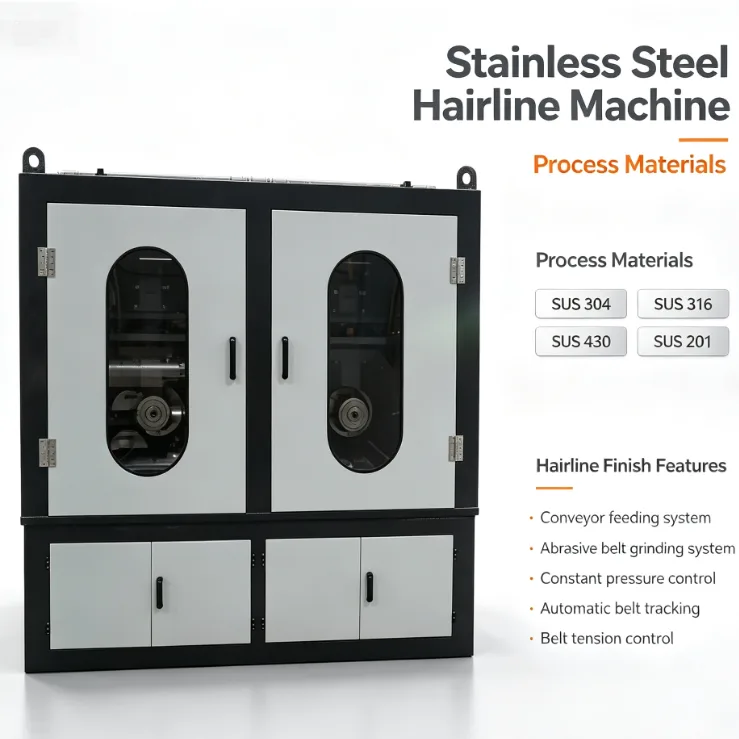
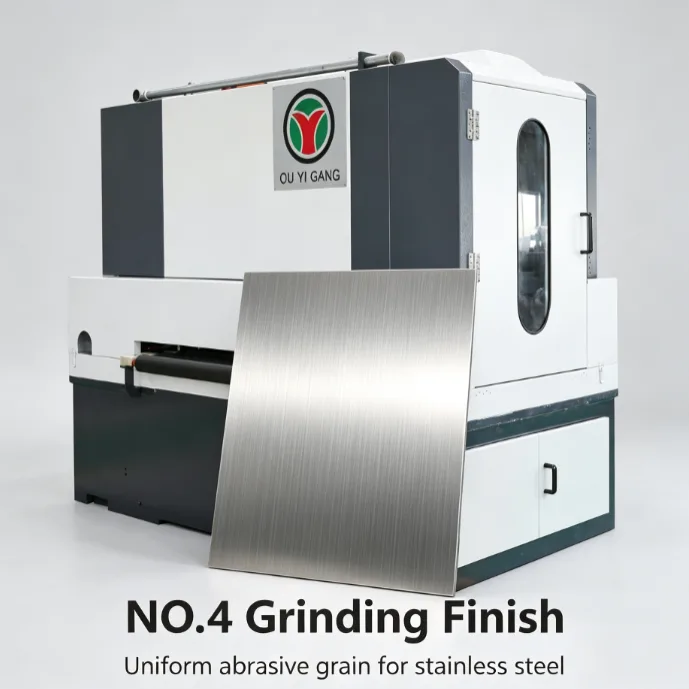
This category covers stainless polishing equipment that is not tied to a fixed workpiece form — machines that will process sheet, plate, sections or fabricated parts rather than running one continuous product. If you need a specific continuous configuration, look at the sheet or coil lines instead. If your work is varied, short-run or shaped, this is where you should be looking.
What "general purpose" actually means here
It means the machine is built around the process rather than around a product. The head, the abrasive and the pressure are specified for the finish; the table, the fixture and the feed are specified for the range of work you bring to it. That makes the machine slower per square metre than a dedicated line and considerably more useful per dollar if your work changes weekly.
- Mixed sizes. Different lengths, widths and thicknesses through the same machine.
- Fabricated parts. Welded assemblies, formed panels, sections — work that will not go through a coil line at all.
- Rework and repair. Salvaging a scratched or damaged surface is a single-piece job by definition.
- Low volume. Where a continuous line could not be kept busy.
Choosing by finish, then by size
Decide the finish first, because it determines the head configuration and the number of passes. No.4, hairline and Scotch-Brite are all routine. Mirror on general-purpose equipment is possible but it is a different proposition — a mirror result needs a uniform prepared surface, and on mixed incoming material that means more operator skill and more passes, not a different machine.
Then size it: the largest workpiece width and length, the thickness range, and whether you need to handle plate as well as sheet. Plate changes the machine — it is heavier, it is handled differently, and it usually needs a bed rather than a through-feed.
Automation level
The range runs from a manual machine where the operator presents the work, to semi-automatic through-feed with powered heads, to fully automated handling. The right level depends on volume and on labour cost, and on one thing buyers often miss: consistency. A skilled operator produces excellent results and inconsistent ones. If your customer inspects panels side by side, automation is often bought for repeatability rather than for speed.
What we ask before quoting
Send the workpiece range, the finish, and — most useful of all — photographs or a short video of the work and of the surface you are starting from. On general-purpose equipment the incoming condition drives the specification more than anything else, and a description rarely captures it. If you are unsure which category your requirement falls into, send it anyway; telling you that a sheet or coil line fits better costs us nothing and saves you a machine.